Joe PikePolitics correspondent
 EPA
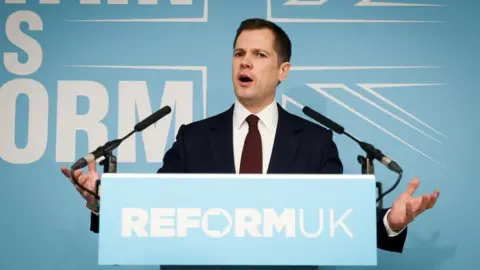
EPAOn Wednesday afternoon in a large wood-panelled room in parliament, Robert Jenrick was sitting alongside Kemi Badenoch and the rest of the Conservative shadow cabinet talking about foreign policy.
“He was honestly very positive and chipper”, says one who was in the room.
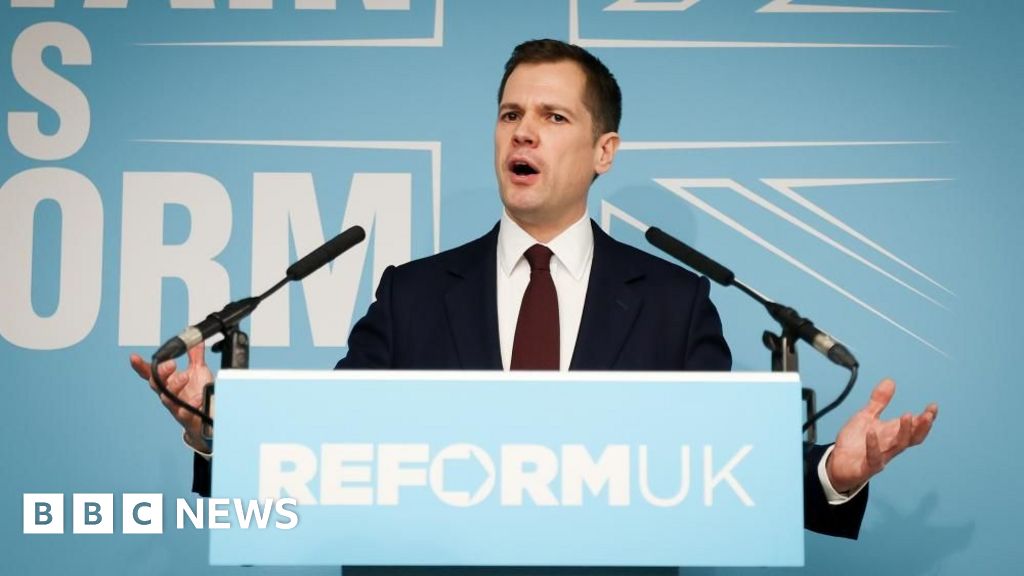
Within twenty-four hours a sensational leak from inside Jenrick’s own Commons office would lead to him being thrown out of the party he joined as a teenager. And him deciding to back Reform, its biggest rival.
For months Jenrick had been on defection watch, and behind the scenes Badenoch’s team were picking up worrying signals.
“We’d been in a high state of alert”, says a senior conservative. “For quite a long time we’ve been hearing from multiple people that he was on manoeuvres. We knew about at least one evening meeting he’d had with Farage in December”.
Secret discussions
In fact Jenrick had been having many more secret discussions with Reform figures for four months including with the party’s leader.
“There were multiple conversations, many one-to-one meetings with Nigel,” says a Farage ally.
Was Jenrick offered a top cabinet job in a possible future Reform government? “Nothing was offered”, insists the senior Reform source. “Honestly, genuinely nothing.”

 Jeff Overs/BBC
The leak
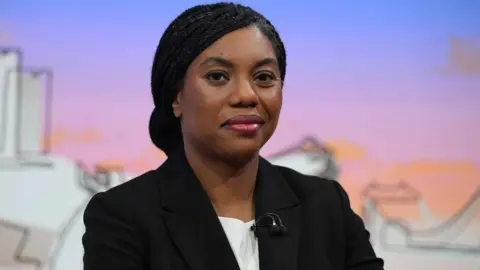
But as Badenoch wrapped up her shadow cabinet meeting at 17:00 GMT on Wednesday, she was taken aside and shown what her advisers immediately recognised was a bombshell leak.
A source with access to Jenrick’s office had handed the Tory leadership a draft of Jenrick’s secret defection speech, which included excoriating attacks on shadow cabinet ministers.
Jenrick’s allies won’t comment on the identity of the alleged leaker but do not dispute the document came from one of his inner circle.
They deny, however, that the MP was ever careless with the draft: “The speech never left Rob’s office. The idea that it was left lying around somewhere is untrue.”
Badenoch immediately assembled her closest advisers including Conservative chief whip Rebecca Harris and a few other shadow cabinet ministers.
“My immediate reaction was it’s treachery, it’s disloyalty” says one of those Badenoch consulted in her parliamentary office.
“The temptation in these situations is to do nothing and hope it goes away, or wait a day or two. But that would have been a cop out. And Kemi is not someone who cops out.”
The Conservative leader decided her only option was to move fast.
The sacking
On Thursday, Badenoch woke before dawn and made the final decision to sack Jenrick. She sat down in front of her home computer to record a video announcing that he had been sacked from the shadow cabinet and suspended from the Conservative Party.
She then rushed to catch a flight to Scotland.
Jenrick’s allies say he was in his office in Westminster later that morning when he received a call from Tory chief whip Rebecca Harris.
She told him what the party had discovered. He protested his innocence and ended the call abruptly. Within minutes, Badenoch’s team had posted her video.
Soon after, Jenrick had a brief call with Nigel Farage. “It was quick”, says one Reform source. They said: ‘We’re on: let’s do it today’.”
Jenrick’s allies argue his defection was the biggest moment of his career, and he feels “liberated” to have got it out the way.
“At very little notice and under immense pressure he delivered a speech and Q&A to the media incredibly well”, one says. “There were no slip-ups.”
“I think it nullifies a massive Tory attack – that Reform are one man band and not serious. Because Rob is very serious.”
Badenoch’s supporters argue her improving performance in prime minister’s questions and in the opinion polls in recent months meant Jenrick’s chances of unseating her as Tory leader were vanishingly small.
“It’s not because Kemi is failing that he’s done this. It’s because she’s succeeding”, say one in the shadow cabinet.
“It’s made it more difficult to get the top job. He has no chance of being leader before 2029. So why stay?”
Defection decision
The fact Jenrick had drafted a full defection speech is surely proof his mind was made up before Badenoch made her surprise move.
“Rob had decided”, one close to him says. “It was a question of when.”
They say he got increasingly frustrated after being told off by colleagues both for speaking out about grooming gangs, and for criticising the UK granting citizenship to British-Egyptian dissident Alaa Abd El Fattah – a decision made under the Conservatives.
The final straw seems to have been a disagreement at a shadow cabinet away-day last Thursday over whether Britain was broken.
“He was very odd at the away day”, said one present. “His body language was withdrawn, his chair was pushed back from the table, he was taking lots of notes.”
In Jenrick’s telling the shadow cabinet were asked if they thought Britain was broken. He said yes. Some agreed but argued: “We can’t say that. Because it implies we broke it.”
If that away day was a turning point in the political career of Robert Jenrick and the right of British politics, it seems fitting that the meeting took place at a venue overlooking the Tower of London.
“It’s a traditional home of traitors”, jokes one who was there. “Which we didn’t realise at the time.”